
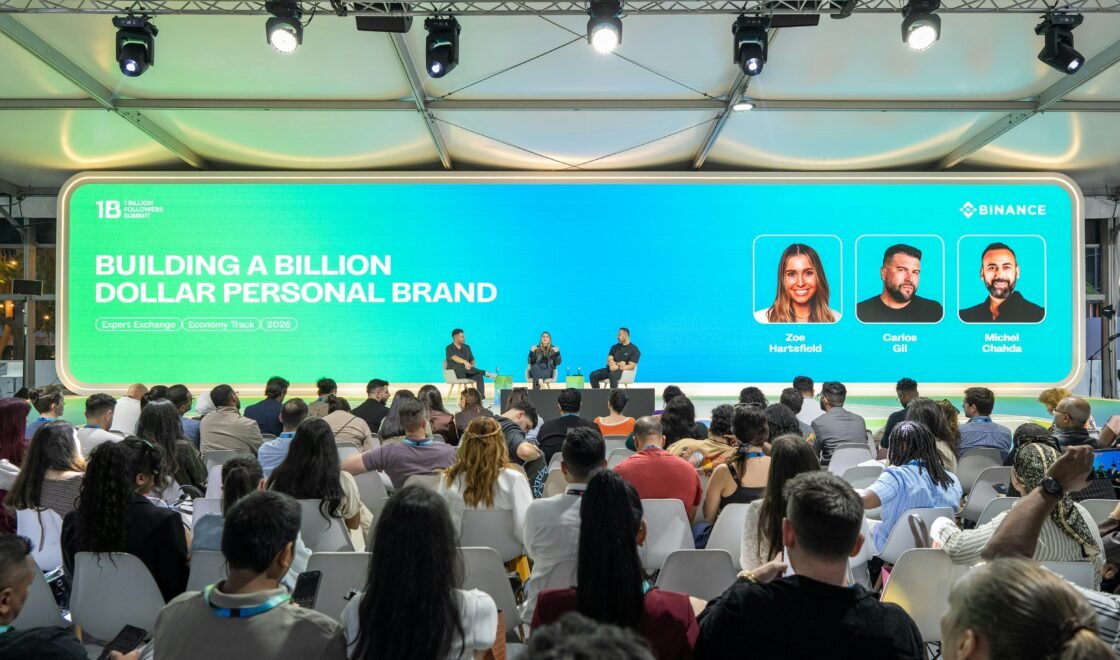
Most executives have a personal brand whether they have built one intentionally or not. The question is whether the brand they have is the brand that serves their business goals — and most often, there is a significant gap.
The Audit Framework
A personal brand audit begins with a simple exercise: Google yourself and read the results as a potential client, partner, or employer would. What does the first page of results convey about your expertise, credibility, and professional identity? Is there a coherent narrative? Are there any authoritative third-party references — publications, speaking engagements, professional profiles — that validate your claims to expertise? Or is the page a collection of disconnected social profiles, old company bios, and random mentions that paint no particular picture?
The Three Most Common Gaps
The most common personal brand gap is invisibility: an executive whose expertise is genuinely significant but whose digital footprint is too thin to convey it to someone who does not already know them. The second most common gap is inconsistency: an executive whose various online presences send conflicting messages about their expertise, values, or professional focus. The third is stagnation: an executive whose visible credentials reflect where they were five years ago rather than where they are today, creating a credibility gap between their actual capabilities and their apparent ones.
The Fix Priority Order
Once the audit reveals the gaps, the fix priority order is consistent: start with the highest-authority, highest-permanence assets first. This means a strong LinkedIn profile before a Twitter presence, a published article before a podcast, and a Wikipedia page or Crunchbase profile before social media optimization. High-authority assets anchor the brand and provide the foundation on which all other brand building rests — and they are what a serious potential client or partner will look at first.
